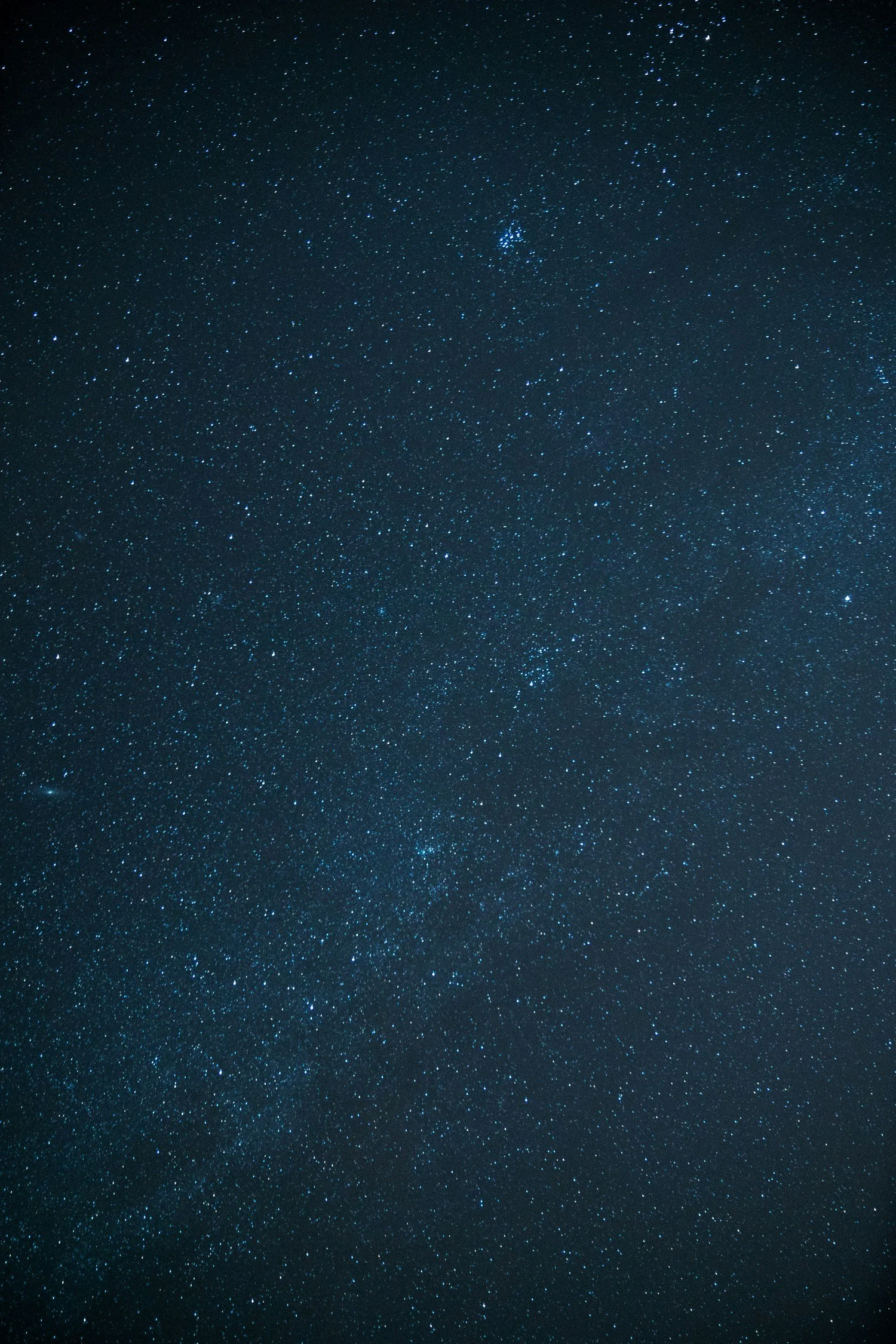
Stargazing at Skyview

- COME FOR THE VIEWS, STAY FOR THE STARS -
Mark your cosmic calendars for this year’s super moons, eclipses, meteor showers, and more.

A new year, an open sky, and infinite possibilities. In 2026, the cosmos puts on a spectacular show with an abundance of astronomical events like meteor showers, eclipses, planetary alignments, and three supermoons to name a few. Here, beneath vast, starry skies, Skyview invites you to slow down, step outside, and see things from a new perspective. 

Perched on a hilltop above rural Los Alamos, free from city lights and urban glow, Skyview is surrounded by some of the darkest, clearest skies in California. The conditions are so pristine, in fact, that even SpaceX relies on this airspace for nearby rocket launches. 

- TELESCOPE RENTALS -

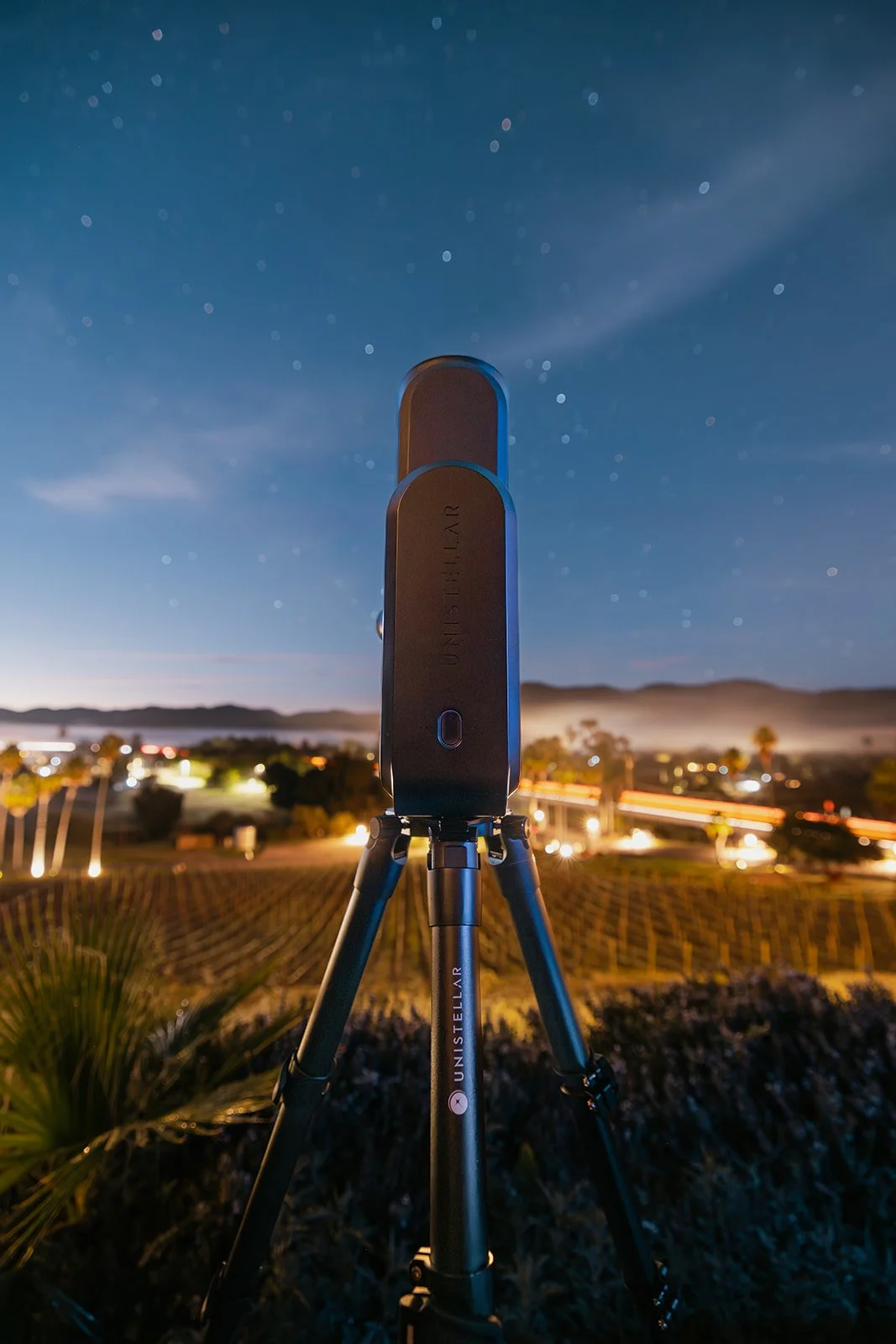
You don’t have to be a rocket scientist to appreciate what’s going on overhead — because this year, we’re introducing a new way to take it all in — with state-of-the-art Unistellar Odyssey telescopes now available for hotel guests to rent for just $50/night.

These smart, app-enabled telescopes bring galaxies, star clusters, and other worldly wonders into sharp focus with ease, no experience required. 

SPEND THE NIGHT

2026 Cosmic Calendar

- WHAT’S WRITTEN IN THE STAR -

With so many highlights on the horizon, now’s the time to start planning your Skyview escape. Here’s your 2026 guide to the most unforgettable celestial events.

  • January 3rd: Supermoon (“Wolf Moon”) – A full moon that appears larger and brighter as it occurs near the Moon’s closest point to Earth.

    January 4th: Quadrantids Meteor Shower Peak – One of the year’s strongest meteor showers, known for bright, fast meteors.

    January 9th–10th: Jupiter at Opposition – Jupiter is closest to Earth and at its brightest, visible all night.

    January 18th: New Moon

  • February 1st: Full Moon (“Snow Moon”)

    February 17th: Annular Solar Eclipse – The Moon passes in front of the Sun, leaving a glowing “ring of fire” around its edge.

    February 17th: New Moon

  • March 3rd: Total Lunar Eclipse & Full Moon (“Blood Moon”) – The Moon turns red as it passes fully into Earth’s shadow.

    March 8th: Venus–Saturn Conjunction – The two planets appear close together in the sky.

    March 18th: New Moon

    March 20th: Spring (Vernal) Equinox – Day and night are nearly equal as the Sun crosses the celestial equator.

  • April 1st: Full Moon (“Pink Moon”)

    April 17th: New Moon

    April 20th: Comet C/2025 R3 (PanSTARRS) Perihelion – The comet makes its closest approach to the Sun and may brighten.

    April 22nd–23rd: Lyrids Meteor Shower Peak – A reliable spring meteor shower with occasional bright fireballs.

  • May 1st: Full Moon (“Flower Moon”)

    May 6th: Eta Aquariids Meteor Shower Peak – Fast-moving meteors created by debris from Halley’s Comet.

    May 16th: New Moon

    May 31st: Full Moon (“Blue Moon”) – The second full moon to occur within a single calendar month.

  • June 9th: Venus & Jupiter Close Approach – The two brightest planets appear strikingly close together.

    June 12th–17th: Planetary Conjunction & Moon Occults Venus – Multiple planets cluster in the sky, with the Moon briefly passing in front of Venus.

    June 14th: New Moon

    June 29th: Full Moon (“Strawberry Moon”)

  • July 14th: New Moon

    July 29th: Full Moon (“Buck Moon”)

  • August 12th: Total Solar Eclipse & New Moon – The Moon completely blocks the Sun, briefly turning day into night.

    August 12th–13th: Perseids Meteor Shower Peak – One of the most popular meteor showers, known for frequent bright streaks.

    August 28th: Full Moon (“Sturgeon Moon”) & Partial Lunar Eclipse – Part of the Moon darkens as it moves through Earth’s shadow.

  • September 6th–14th: “Week of the Planets” – The Moon passes close to Mars, Jupiter, Mercury, and Venus over several nights.

    September 10th: New Moon

    September 26th: Full Moon (“Harvest Moon”)

  • October 4th: Saturn at Opposition – Saturn is closest to Earth, making its rings especially vivid.

    October 10th: New Moon

    October 26th: Full Moon (“Hunter’s Moon”)

  • November 9th: New Moon

    November 14th–15th: Planetary Conjunction – Mercury, Venus, Mars, and Jupiter appear grouped together in the sky.

    November 17th–19th: Leonids Meteor Shower Peak – A historic meteor shower known for occasional meteor storms.

    November 24th: Supermoon (“Beaver Moon”) – A full moon that appears larger and brighter due to its close proximity to Earth.

  • December 8th: New Moon

    December 13th–14th: Geminids Meteor Shower Peak – One of the year’s most reliable and colorful meteor showers.

    December 21st: Winter Solstice – The shortest day and longest night of the year in the Northern Hemisphere.

    December 23rd: Christmas Supermoon – A full moon that appears larger and brighter due to its close proximity to Earth.
Saturday, January 24th | 6 to 8pm
(weather permitting)

Join us on the Vista Terrace for an intimate evening of guided stargazing with Unistellar. Led by astrochemist Rachel Huchmala-Hoppe, guests will explore the night sky through state-of-the-art Unistellar telescopes. Plus, Shadow & Light tarot readings, stellar cocktails, and signature bites from Norman are available for purchase.

Free to attend and open to all.